
Empty desert proving ground test track at dusk in the Arabian desert
VEHICLE DURABILITY & ENDURANCE TESTING

MOTOGENX

ENGINEERED TO ENDURE

SCROLL
ABOUT US

The Standard for Vehicle Durability Testing in the GCC.

MotogenX Corp designs, executes, and certifies comprehensive durability and endurance testing programs for ICE, Hybrid, and Electric vehicles. Headquartered in Dubai Silicon Oasis with offices in Texas and Riyadh, we operate at the intersection of engineering precision and regional regulatory expertise — delivering test results that meet and exceed GCC homologation standards.

From prototype validation to fleet-scale endurance, every program we run is built on one principle: if it leaves our facility, it is ready for the road.

0+Automotive Experience
0+Test Kilometers Completed
0+Regions Supported
0%Accredited & Certified
WHY CHOOSE US

GCC-Certified Testing Protocols

Every program we run is designed to meet or exceed GCC homologation and international durability standards — ensuring your vehicles are road-ready from day one.

Multi-Powertrain Expertise

From ICE and hybrid to full-electric platforms, our team has the technical depth to certify any drivetrain technology across a wide range of vehicle segments.

End-to-End Program Delivery

We manage the complete testing lifecycle — from protocol design and fleet preparation to data collection, analysis, and final certification sign-off.

Strategic GCC Gateway

Headquartered in Dubai, we give global manufacturers direct access to GCC regulatory bodies, local road conditions, and regional market intelligence.

Accreditations & Recognition

Certifications

EIACACCREDITEDCERTIFICATIONS

EIAC Accredited

Emirates International Accreditation Centre

SWTÜVISO 9001:2015CERTIFIED

ISO 9001:2015

SWTÜV Certified Quality Management

IAFACCREDITATION FORUM

IAF Member

International Accreditation Forum

Awards & Media Recognition

WHAT WE DO

Capabilities

ICE DURABILITY TESTING
01

ICE DURABILITY TESTING

Powertrain endurance and long-distance validation for combustion engines through real-world driving — pushed to the limits of actual GCC road and desert operation.

Engine Structure

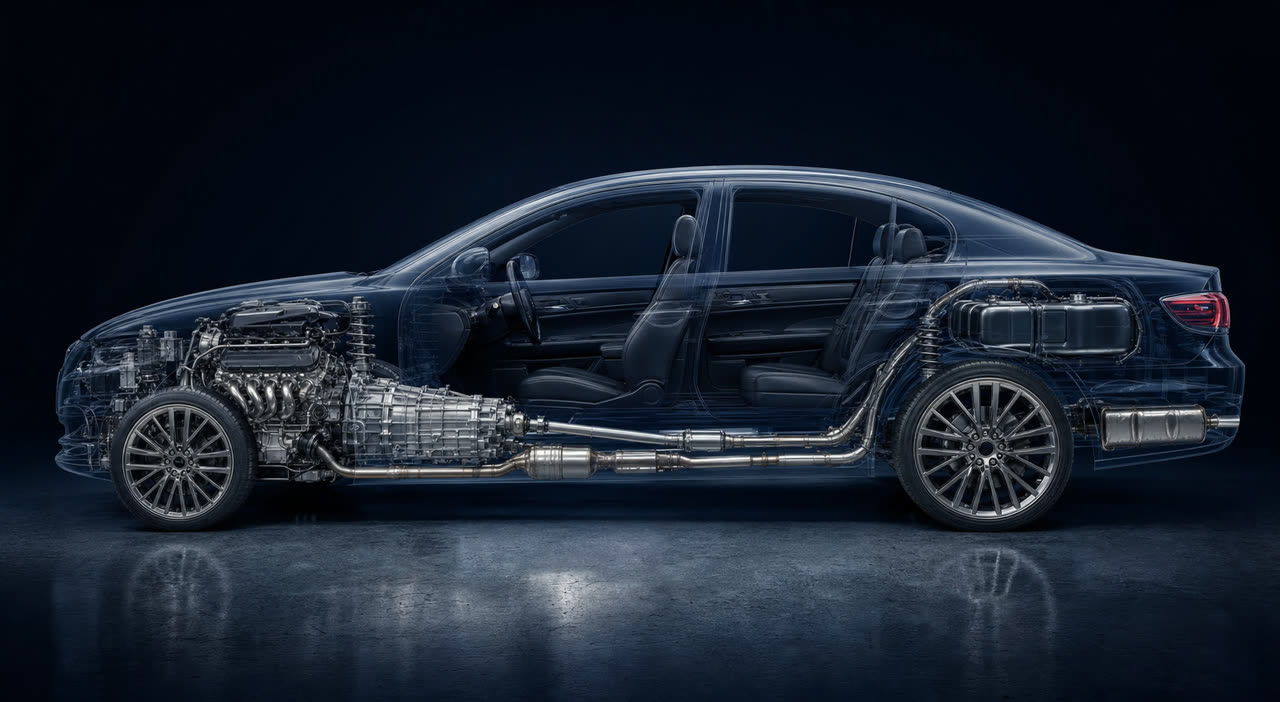
Pistons, crankshaft, valvetrain, fuel-injection and ignition systems housed in a cylinder block, fed by air-intake and exhaust paths with engine-driven cooling and lubrication circuits.

How It Works

Air and fuel are compressed and ignited inside each cylinder; the expanding combustion gases drive the pistons, turning the crankshaft to deliver mechanical power to the wheels through the transmission.
HYBRID SYSTEM VALIDATION
02

HYBRID SYSTEM VALIDATION

Real-world validation of combined ICE and electric drivetrain systems on the road, under the extreme heat and duty cycles of actual GCC driving conditions.

Engine Structure

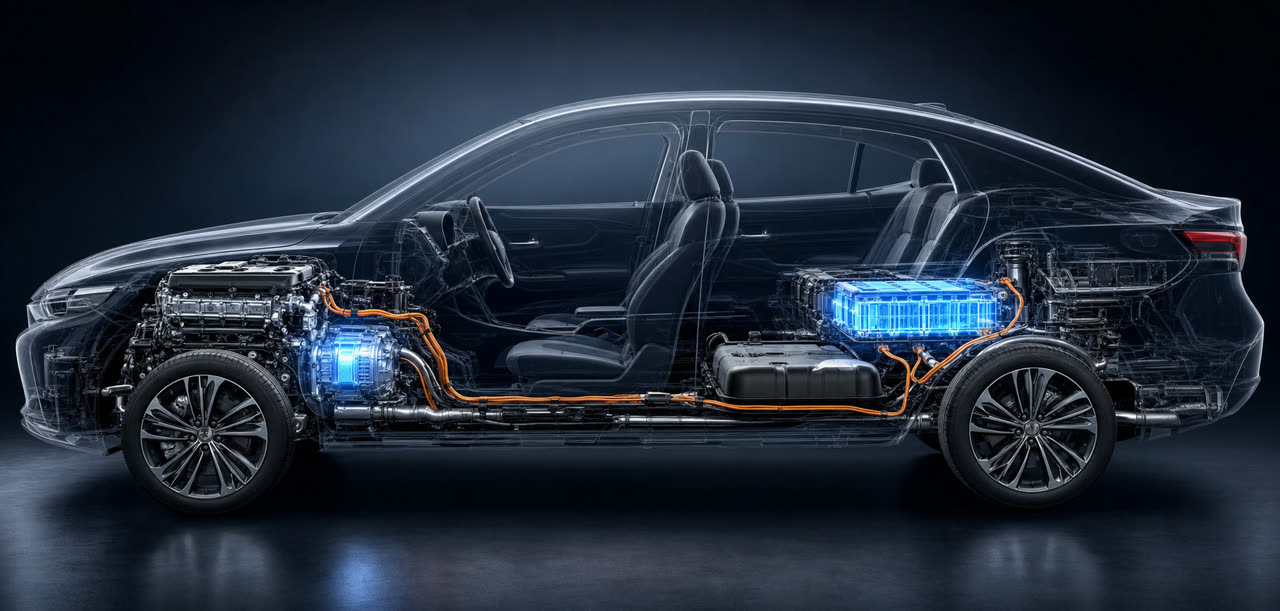
A combustion engine paired with one or more electric motor-generators, a high-voltage battery, power-control inverter and a power-split or clutch system that blends the two power sources.

How It Works

The control unit continuously switches and blends engine and electric power, recovering braking energy into the battery and using the motor to assist or replace the engine for maximum efficiency.

PHEV SYSTEM VALIDATION
03

PHEV SYSTEM VALIDATION

Plug-in hybrid validation covering electric-only range, charge-sustaining operation, and the transition between grid-charged battery and combustion power.

Engine Structure

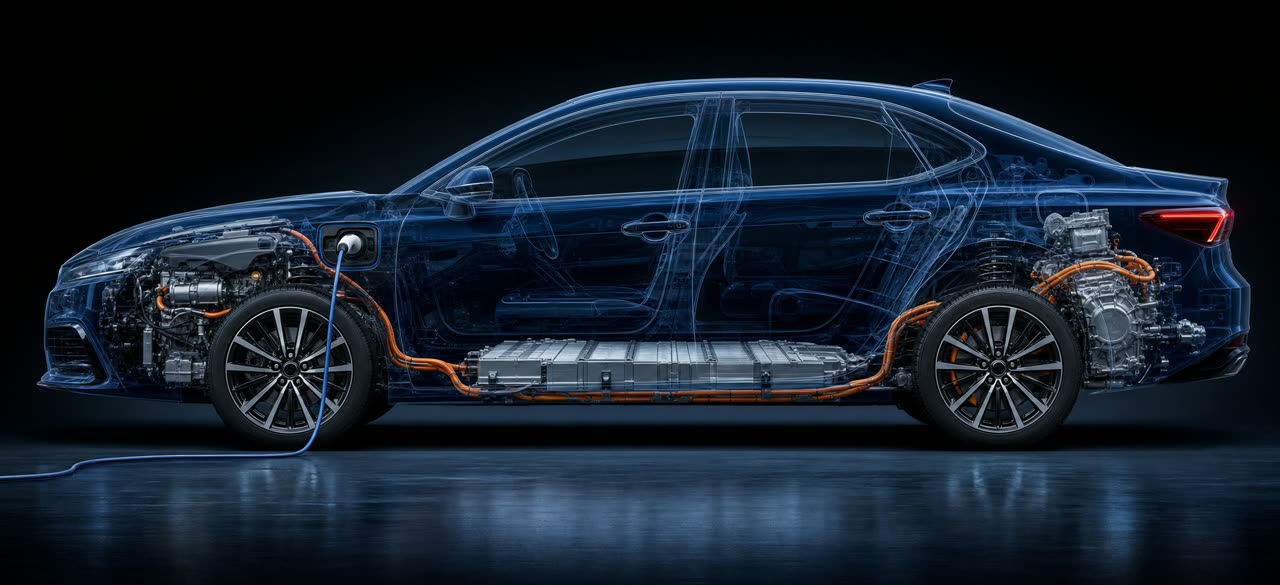
A larger plug-in battery and on-board charger added to a hybrid driveline, with an external charge port, electric drive motor and a combustion engine for extended range.

How It Works

The vehicle runs on grid-charged battery power for an all-electric range, then automatically engages the combustion engine and reverts to hybrid operation once the battery is depleted.

RANGE-EXTENDER (REEV) TESTING
04

RANGE-EXTENDER (REEV) TESTING

Durability programs for series-hybrid range extenders, validating the generator engine, battery buffer and the seamless electric drive it sustains.

Engine Structure

An electric motor drives the wheels exclusively, supported by a battery and a small combustion engine coupled to a generator that is not mechanically linked to the wheels.

How It Works

The wheels are always driven electrically; when battery charge runs low the on-board engine spins a generator to produce electricity, extending range without ever directly powering the wheels.

ELECTRIC VEHICLE TESTING
05

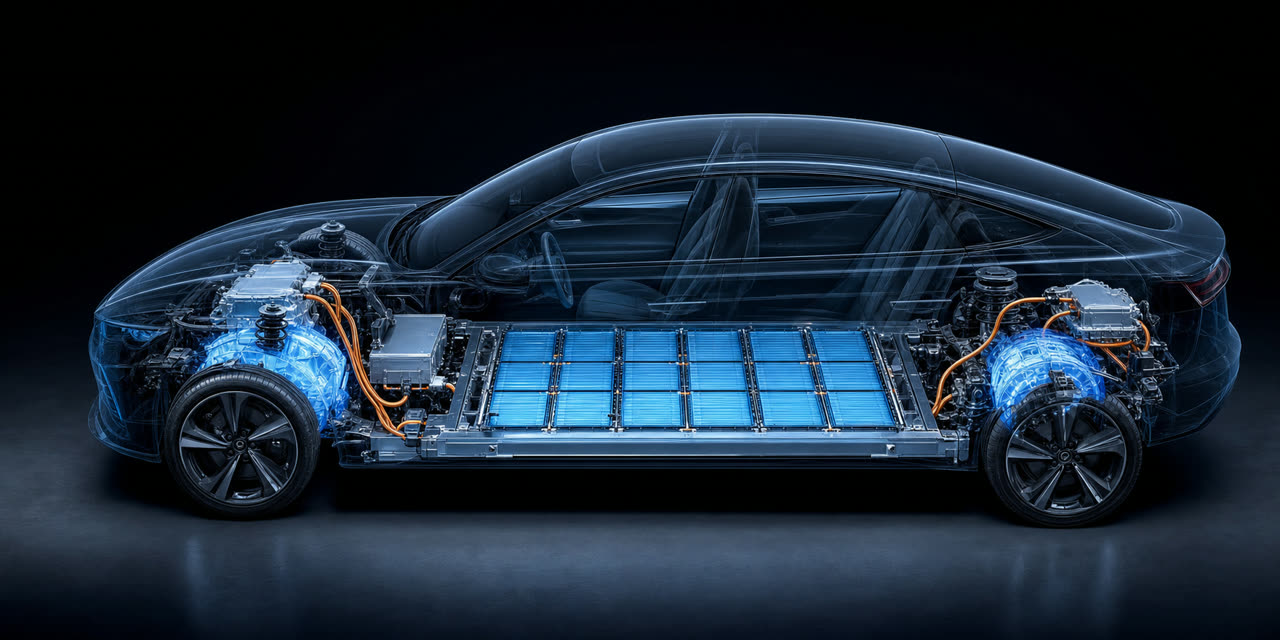
ELECTRIC VEHICLE TESTING

Real-world EV durability programs — battery thermal behavior, range, and endurance validated through actual driving in genuine GCC desert conditions.

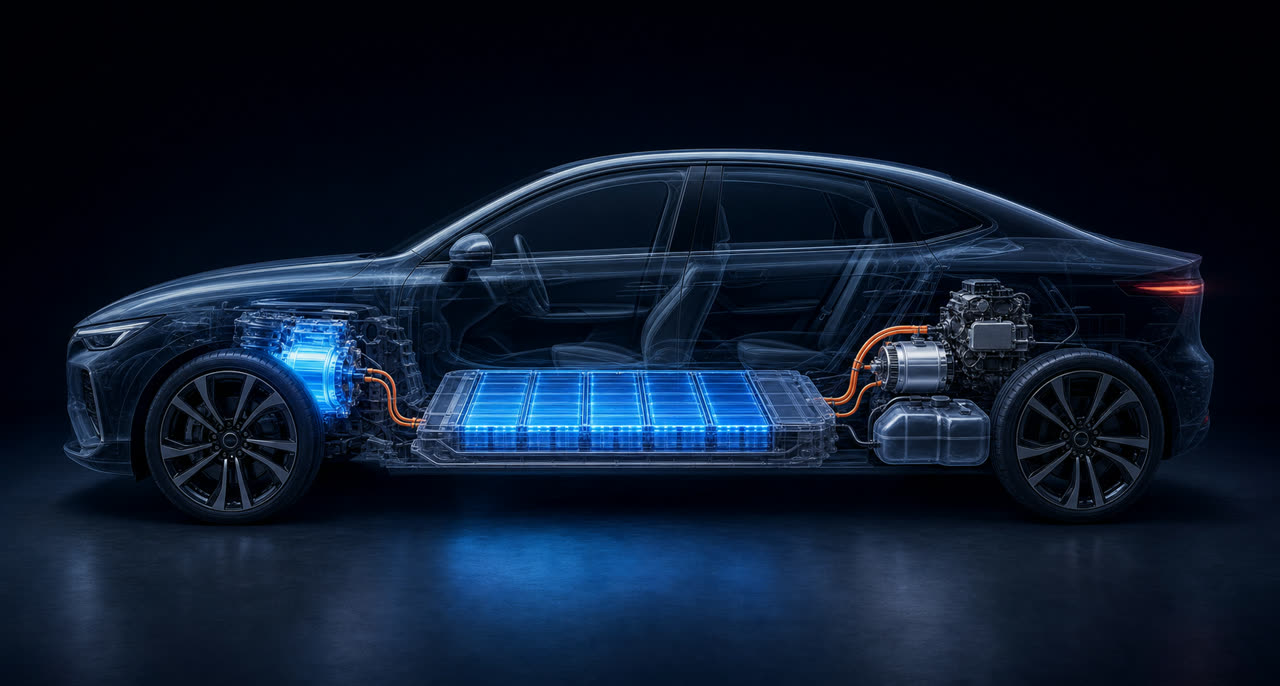
Engine Structure

A high-voltage battery pack, power inverter, one or more electric drive motors, on-board charger and a thermal-management system, with no combustion engine or fuel system.

How It Works

Energy stored in the battery is converted by the inverter to drive the electric motor; regenerative braking returns energy to the pack, while the thermal system keeps cells in their optimal range.

HYDROGEN FCEV TESTING
06

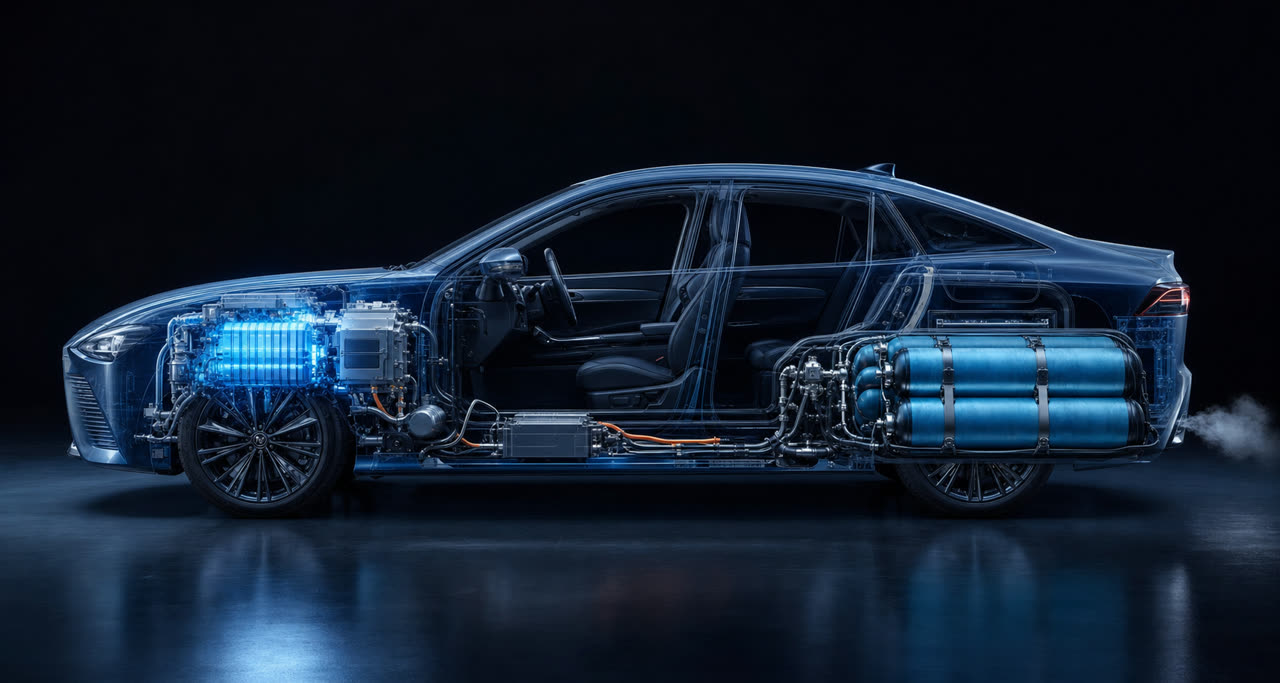
HYDROGEN FCEV TESTING

Fuel-cell electric vehicle validation spanning the fuel-cell stack, high-pressure hydrogen storage, and water-only emissions under extreme heat.

Engine Structure

A fuel-cell stack, high-pressure hydrogen storage tanks, an air-supply and humidification system, a small buffer battery and an electric drive motor.

How It Works

Hydrogen from the tanks reacts with oxygen across the fuel-cell membrane to generate electricity on demand, which powers the electric motor — emitting only water vapor.

HYDROGEN ICE (H2-ICE) TESTING
07

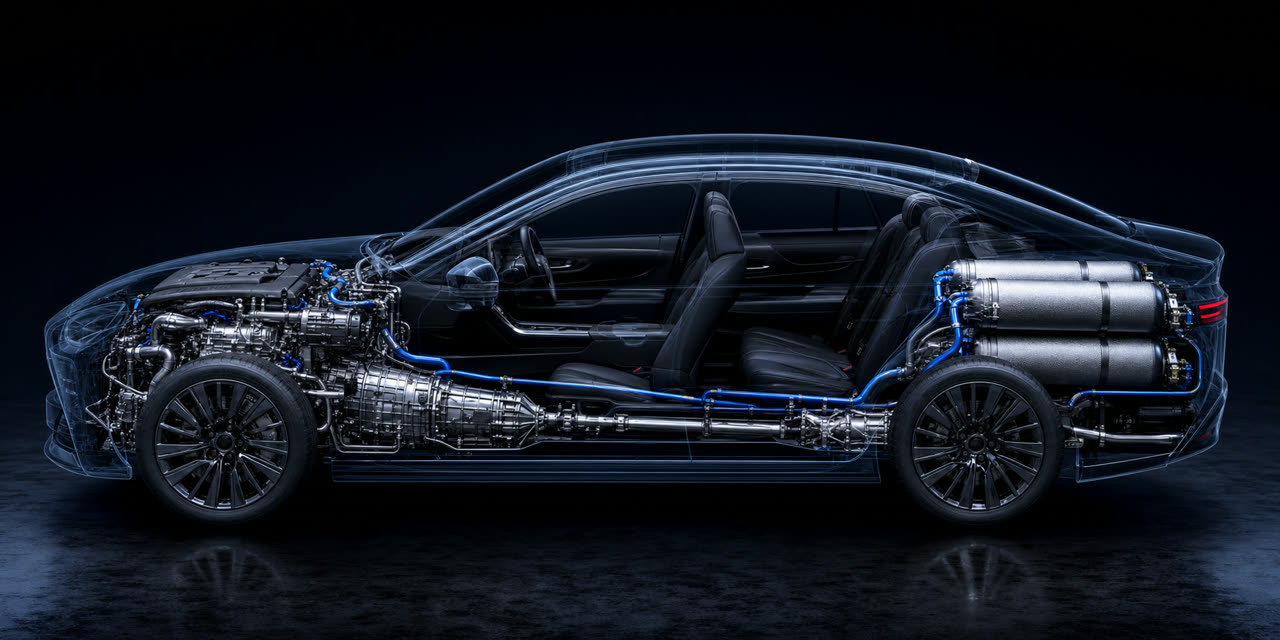
HYDROGEN ICE (H2-ICE) TESTING

Durability testing of hydrogen-fueled combustion engines, validating injection, combustion stability and high-pressure hydrogen handling.

Engine Structure

A conventional combustion engine adapted with hydrogen-specific injectors, reinforced ignition, and high-pressure hydrogen storage tanks in place of a liquid fuel system.

How It Works

Hydrogen is injected and burned inside the cylinders much like gasoline, driving the pistons and crankshaft — delivering combustion-engine feel with near-zero carbon emissions.

CNG / LPG ENGINE TESTING
08

CNG / LPG ENGINE TESTING

Validation of compressed natural gas and liquefied petroleum gas powertrains, from high-pressure storage integrity to combustion durability.

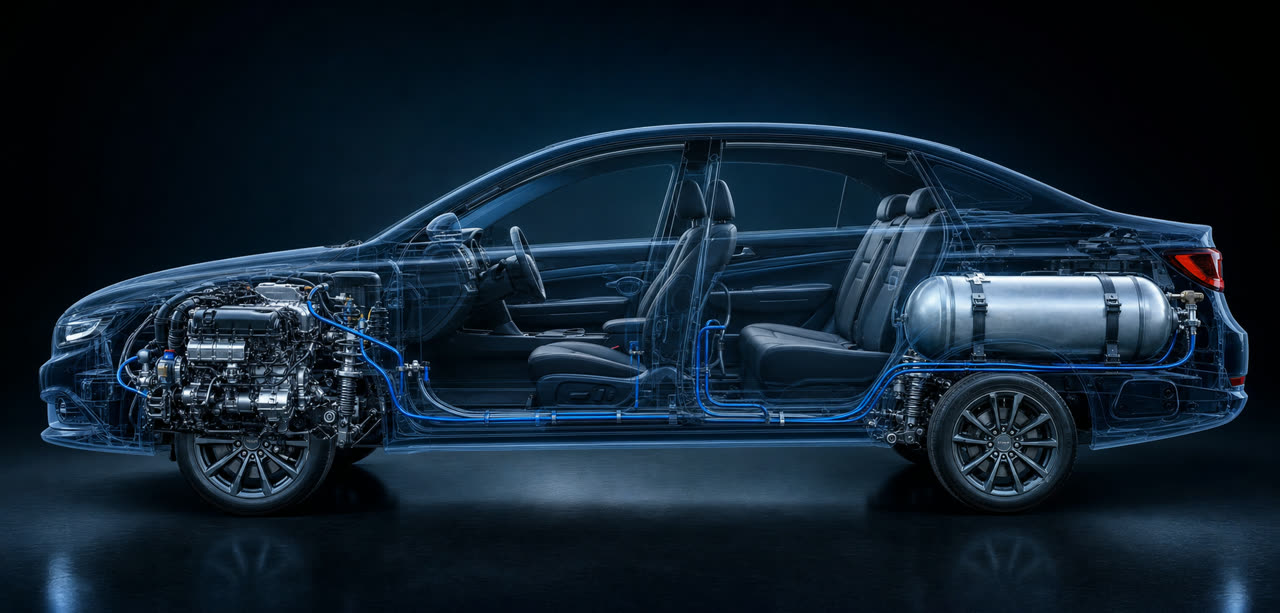
Engine Structure

A spark-ignition combustion engine fed by high-pressure gas cylinders, pressure regulators, gas injectors and a dedicated fuel-delivery line, often alongside a gasoline backup system.

How It Works

Gaseous fuel is reduced from storage pressure, metered into the intake and ignited in the cylinders — burning cleaner than gasoline while using the same combustion principle.

FLEX-FUEL (E85) TESTING
09

FLEX-FUEL (E85) TESTING

Endurance validation for flex-fuel engines running variable ethanol-gasoline blends, including cold-start, material compatibility and fuel-sensor accuracy.

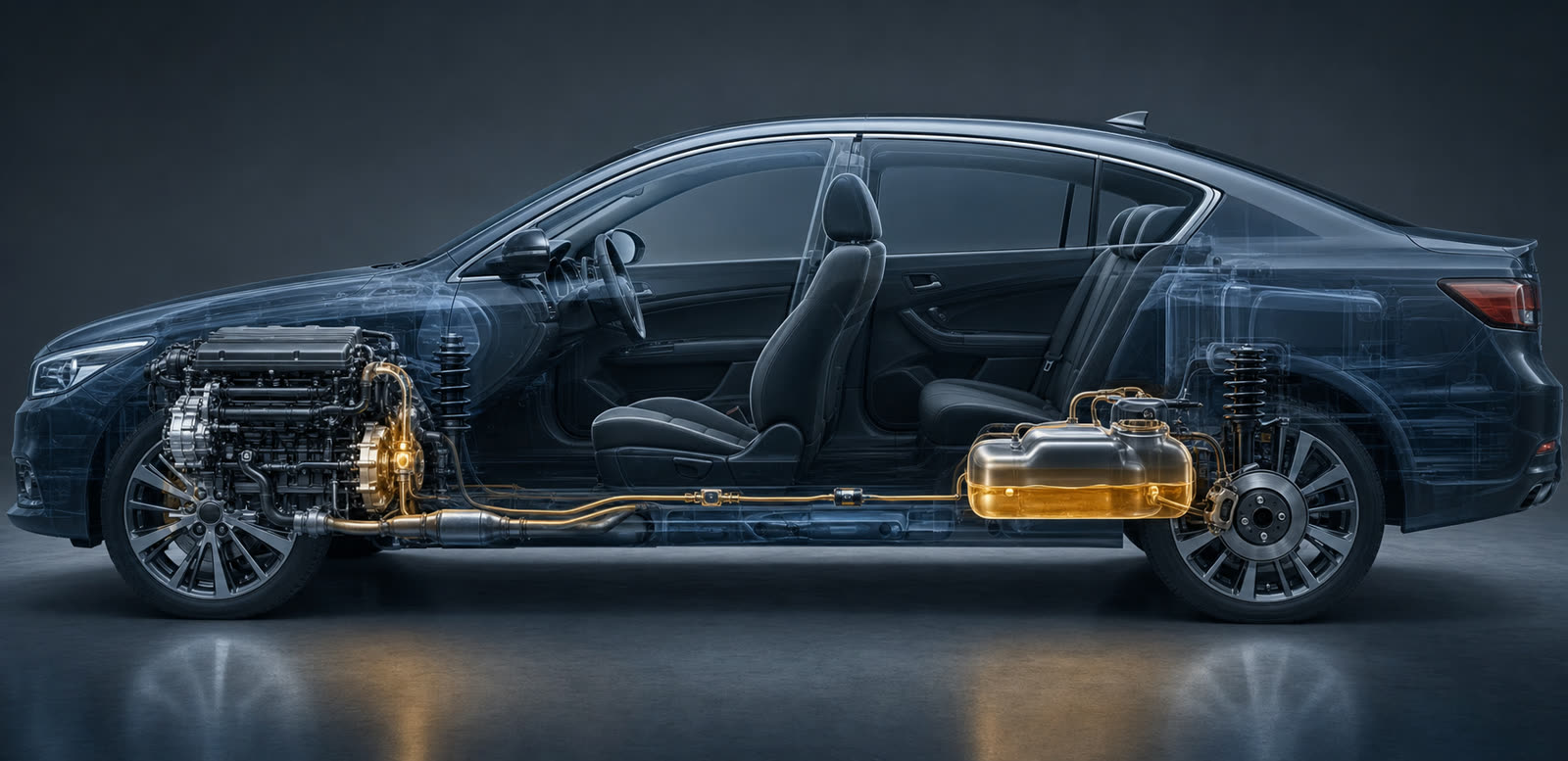
Engine Structure

A combustion engine with ethanol-compatible fuel-system materials, a fuel-composition sensor, and an adaptive engine-control unit that adjusts to any blend up to E85.

How It Works

A sensor detects the ethanol content of the fuel in the tank; the control unit automatically retunes injection and ignition so the engine runs efficiently on gasoline, E85, or any mix between.

DIESEL DURABILITY TESTING
10

DIESEL DURABILITY TESTING

Heavy-duty diesel validation covering common-rail injection, turbocharging, and after-treatment endurance under sustained GCC thermal load.

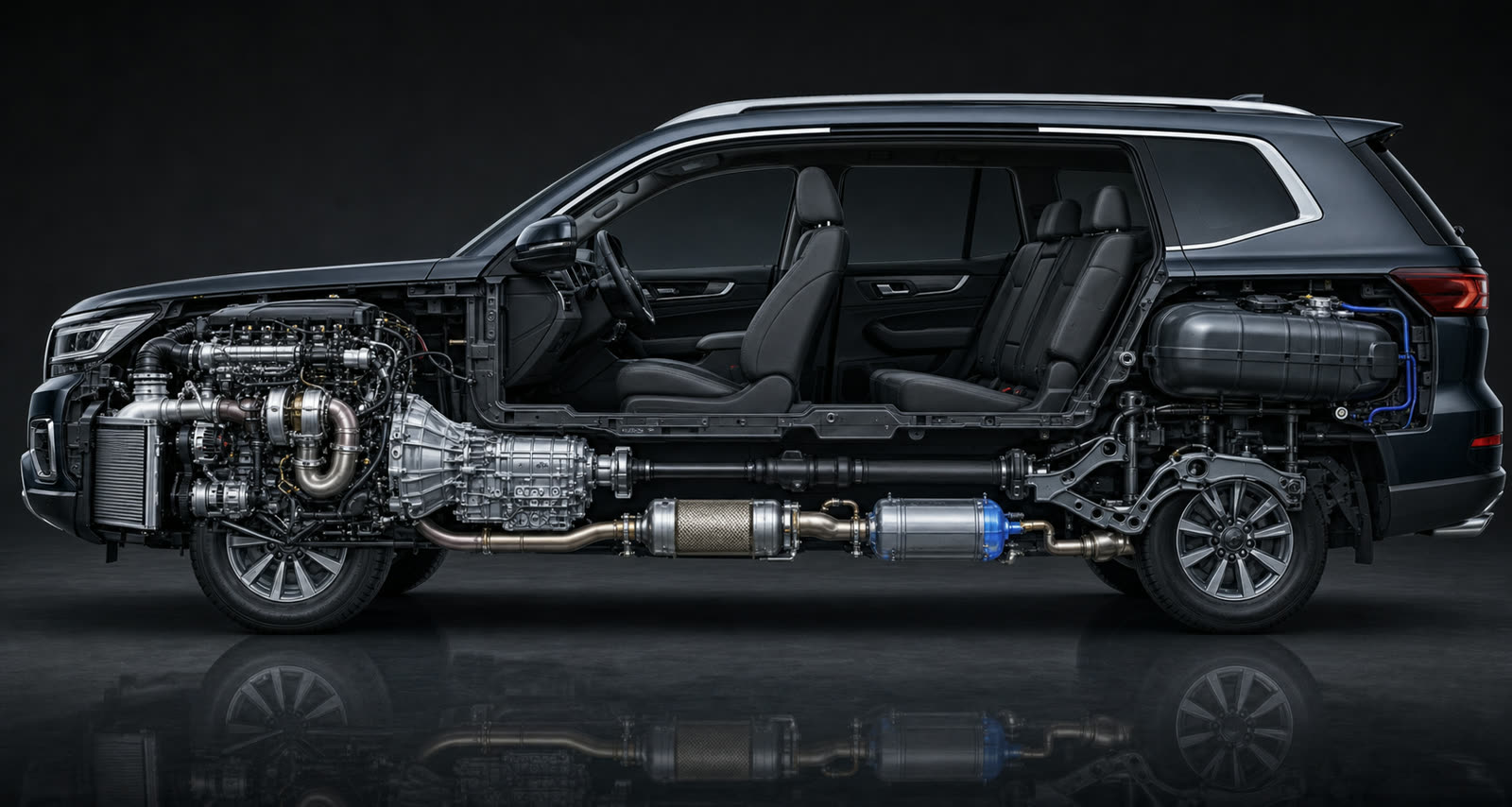
Engine Structure

A high-compression engine block with common-rail direct injection, turbocharger, intercooler and an exhaust after-treatment chain (DPF and SCR) to control emissions.

How It Works

Air is compressed so highly that injected diesel ignites without a spark; the resulting high torque drives the wheels, while after-treatment systems clean particulates and NOx from the exhaust.

GCC HOMOLOGATION PROGRAMS
11

GCC HOMOLOGATION PROGRAMS

End-to-end compliance and certification support for GSO and UAE MoIAT standards — the regulatory gateway to the entire Gulf market.

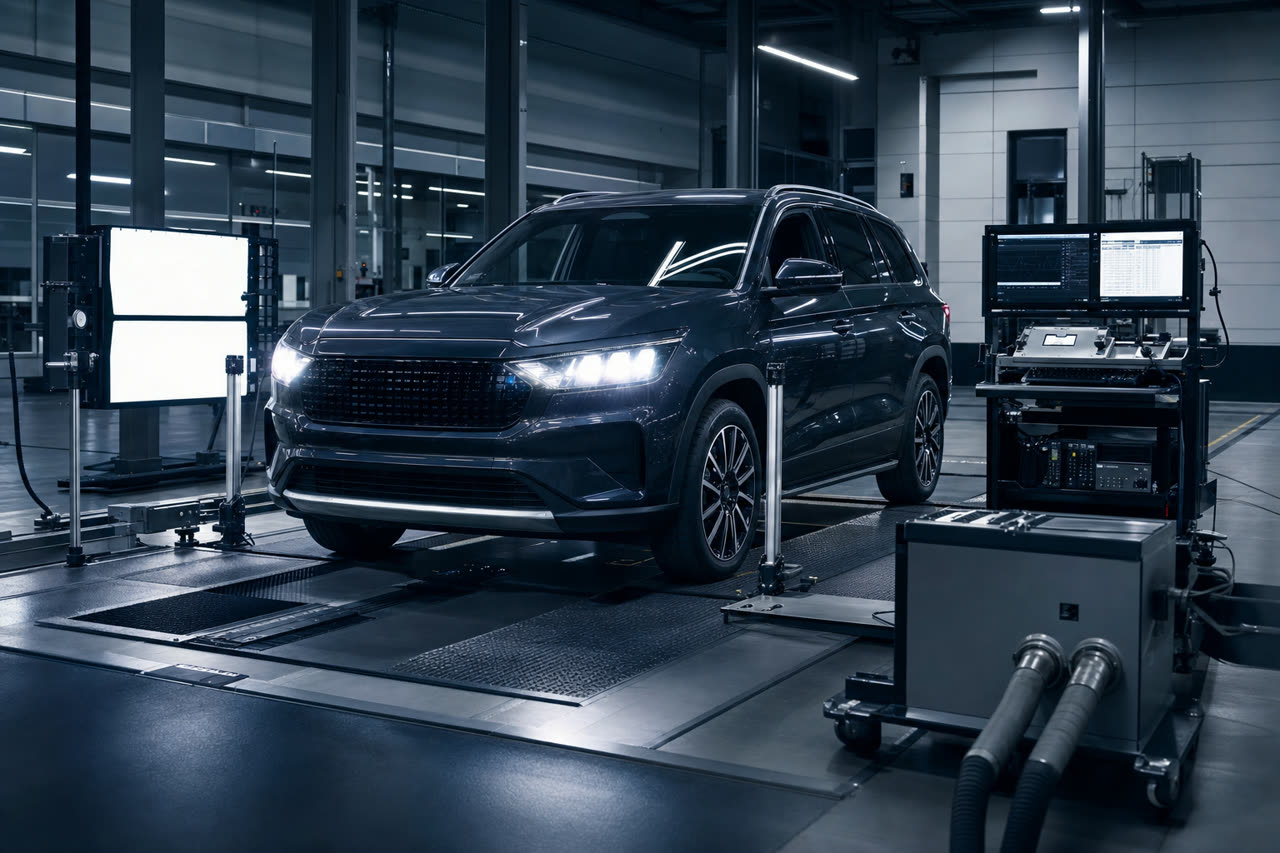
Engine Structure

A documentation and test framework spanning safety, emissions, and performance requirements mapped to GSO and UAE MoIAT regulatory standards.

How It Works

We plan and execute the required test matrix, compile conformity evidence, and shepherd the certification dossier through approval — clearing the path to market across the GCC.

MARKET STATISTICS

A market built for endurance

$9.25B

Global Automotive Durability Testing Market (2024)

$11.7B

GCC Automotive Market

11.6%

UAE EV Testing CAGR

18M

Vehicles in GCC Operation

GCC PRESENCE

Dubai is our base.
The GCC is our market

The UAE's strategic position, world-class infrastructure, and progressive regulatory environment make it the ideal testing hub for vehicles destined for Saudi Arabia, UAE, Qatar, Kuwait, Bahrain and Oman.

MARKETS SERVED
  • United Arab EmiratesUAE
  • Saudi ArabiaKSA
  • QatarQAT
  • KuwaitKWT
  • BahrainBHR
  • OmanOMN