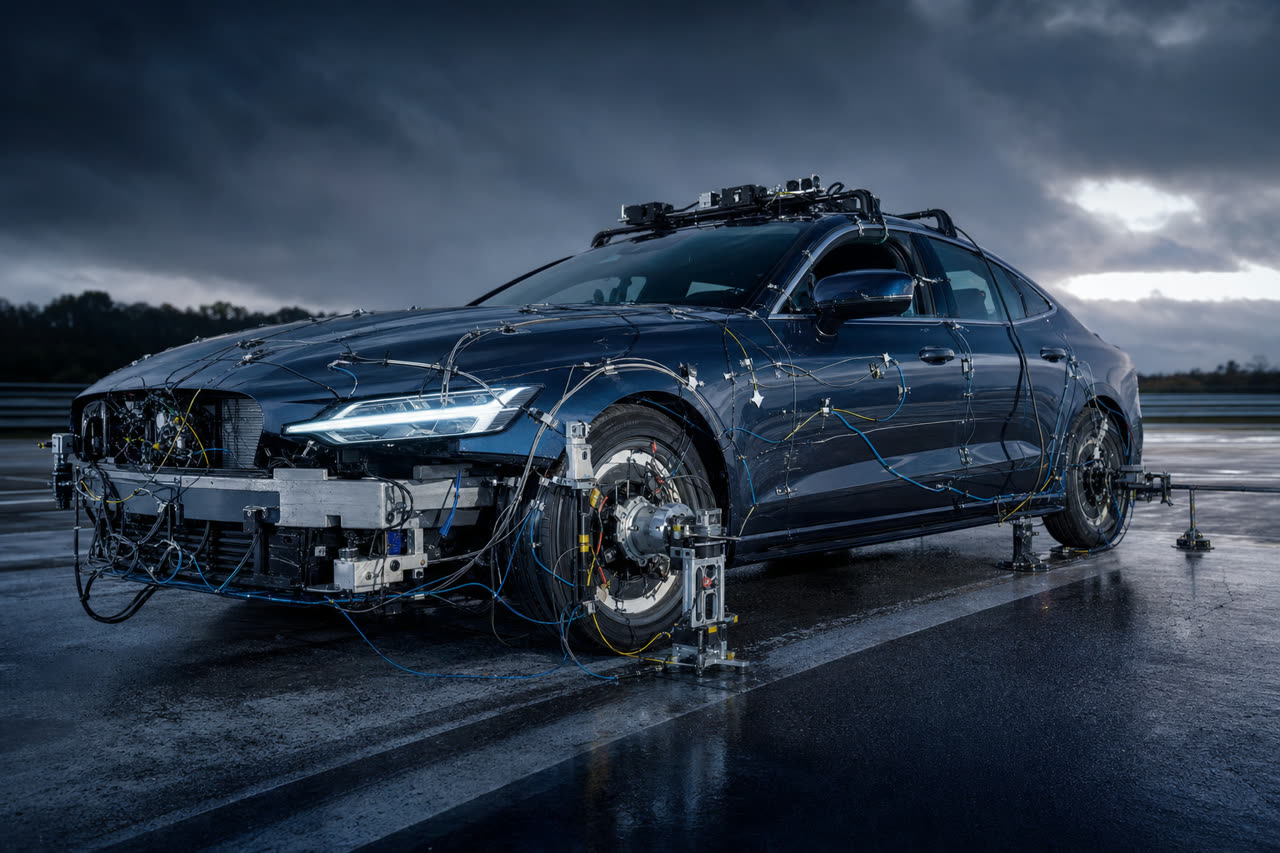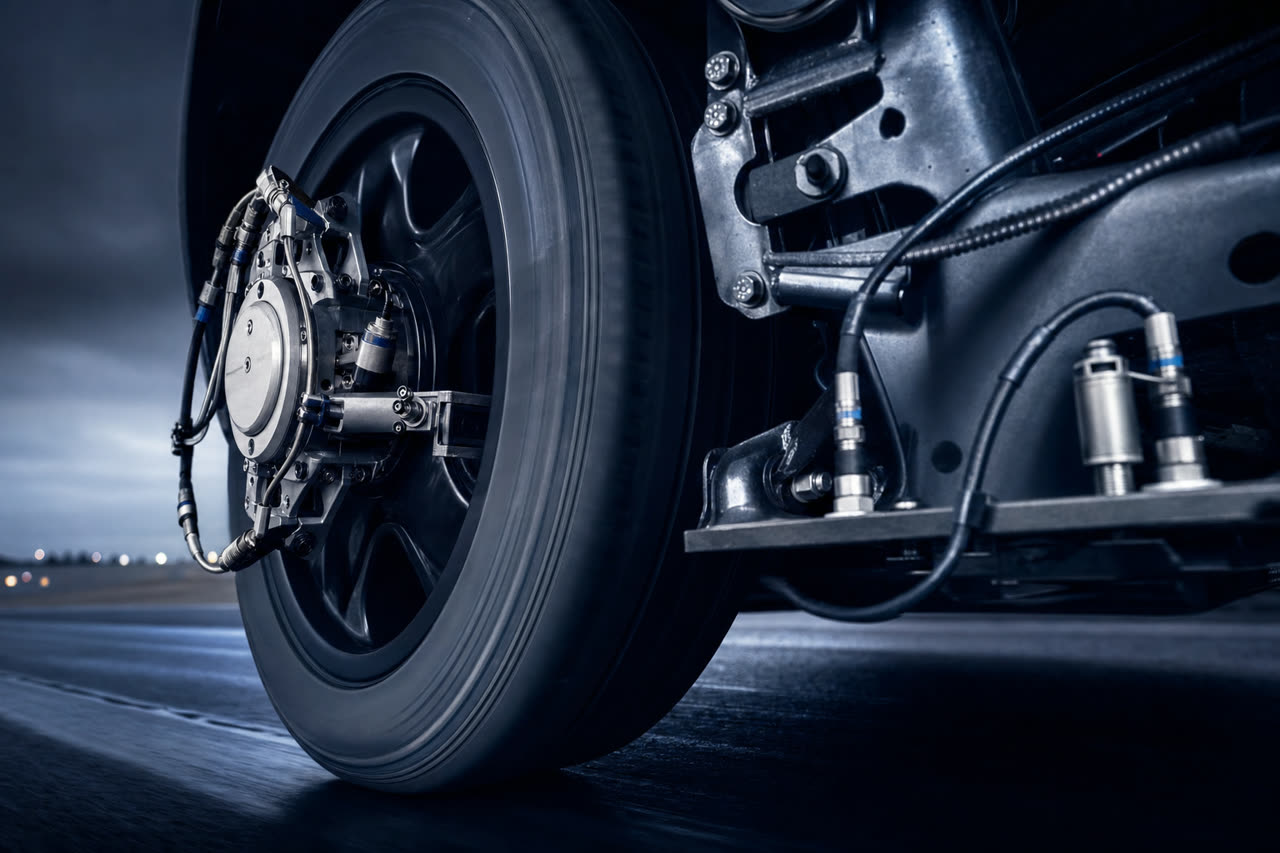

Why Hybrid Vehicle Durability Testing Must Include Coastal and Salt-Road Driving
An engineering-focused look at how real coastal, wet, and salt-affected road driving reveals hybrid corrosion, braking, sensor, and serviceability risks.
Technical articles on durability and endurance testing, road load data acquisition, engine stress testing, and automotive quality assurance.

An engineering-focused look at how real coastal, wet, and salt-affected road driving reveals hybrid corrosion, braking, sensor, and serviceability risks.

A practical guide to instrumented, real-world diesel towing and payload endurance drives in extreme heat—what to measure, which failure modes appear first, and how to turn on-road data into durability decisions.

How MotogenX validates EV battery durability through real-world driving in genuine GCC desert conditions — representative duty cycles, on-road instrumentation, and trend-based criteria for early failure detection.

Understanding vehicle load measurement is essential for ensuring the safety, reliability, and performance of modern automobiles. Accurate data collection during vehicle operation provides critical insights into how vehicles respond to real-world conditions.

This article provides a comprehensive overview of engine durability testing, its methodologies, and its importance in ensuring automotive safety and reliability. It also highlights the benefits of professional testing services and emerging trends like AI and digital twins in the field.

In the automotive industry, quality assurance (QA) plays a critical role in ensuring that vehicles meet safety, reliability, and performance standards. This article explores the essential aspects of OEM QA processes, highlighting the importance of comprehensive testing and advanced technology integration.

This article explores the best vehicle testing labs in Dubai, highlighting their services, capabilities, and the importance of compliance testing for automotive manufacturers and owners.

Road load data services are essential for automotive durability, performance, and safety testing, providing insights into real-world forces experienced by vehicles. This article explores key acquisition techniques like instrumentation, GPS mapping, and road profiling to enhance vehicle development.

Ensuring the safety, reliability, and performance of vehicles is a critical responsibility within the automotive industry. This article outlines the essential steps involved in conducting effective quality assurance audits.

This article explores the critical role of comprehensive quality assurance (QA) solutions for automotive OEMs in ensuring vehicle safety, reliability, and performance. It covers essential QA standards, the importance of durability testing, and the strategic benefits of leveraging advanced technologies like AI and IoT in the manufacturing process.

Engine performance and reliability are critical factors in the automotive industry, where rigorous engine stress testing and durability services ensure powertrains meet stringent safety and quality standards.

GCC has emerged as a global hub for automotive innovation and safety standards. The region's investment in state-of-the-art vehicle testing facilities reflects a commitment to ensuring that vehicles meet rigorous safety, performance, and environmental criteria.

Ensuring vehicle safety and performance in the automotive industry requires precise road testing data analysis and advanced data acquisition systems. This article explores techniques and services like road load data acquisition that optimize vehicle design, durability, and compliance with regulatory standards.

Automotive quality assurance audits are vital for maintaining vehicle safety and reliability by identifying defects during production and ensuring compliance with industry standards. This article outlines the core elements of effective audits, best practices for implementation, and how emerging technologies like AI and IoT are transforming quality control.

Engine durability stress testing is a critical process in automotive engineering that evaluates how engines perform under extreme conditions to ensure safety, reliability, and performance. This article explores the methodologies, benefits, and future trends of stress testing, highlighting its importance in refining designs and meeting regulatory standards.

Data-driven durability integrates simulation, analytics, and real-world testing to enhance reliability predictions in automotive engineering. This approach leverages CAE tools and machine learning to optimize design processes and improve product performance.

Extreme climate durability testing evaluates vehicle performance under harsh environmental conditions like high temperatures, humidity, and dust exposure, ensuring reliability in regions where temperatures can exceed 50°C.

Component-level testing is essential for evaluating the durability of individual automotive parts under repeated loading conditions, directly impacting vehicle safety and reliability.

Road Load Data Acquisition (RLDA) is a fundamental process used to capture real-world vehicle loads during operation, serving as the foundation for durability testing and simulation. The process involves high-precision instrumentation and data processing to bridge the gap between field testing and laboratory validation.

Accelerated Vehicle Durability Testing is a critical process in the automotive industry that evaluates the long-term performance and reliability of vehicles under simulated extreme conditions. It involves subjecting vehicles to rigorous conditions that mimic years of wear and tear in a significantly shorter time frame.